Electric vehicles are becoming increasingly popular because of their energy efficiency, advanced technology, and innovative designs. Many electric cars feature specialized exterior finishes, including matte paint, satin coatings, metallic colors, and protective surface treatments. These finishes enhance the vehicle's appearance but may require specific cleaning methods to maintain their original texture and visual appeal. Unlike conventional glossy paint, some specialized finishes are particularly sensitive to abrasive materials, harsh chemicals, and improper washing techniques. Understanding these differences helps electric vehicle owners protect their investment while keeping their cars clean and attractive throughout regular use.
Protecting Specialized Paint From Surface Damage
Gentle washing techniques are essential for preventing unnecessary damage to delicate automotive finishes. Aggressive scrubbing, stiff brushes, and contaminated cleaning tools can create scratches, swirl marks, or uneven surface textures. Matte and satin finishes require particular attention because traditional polishing methods may permanently alter their appearance. Using soft microfiber wash mitts, clean water, and manufacturer-approved cleaning solutions helps reduce these risks. Vehicle owners should also avoid applying conventional waxes or polishing compounds to finishes that specifically prohibit them. Following appropriate maintenance recommendations allows specialized paintwork to retain its intended appearance without introducing avoidable cosmetic imperfections.
Choosing Appropriate Car Washing Methods
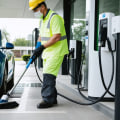
Selecting the right washing method is important when maintaining electric vehicles with distinctive exterior coatings. Touchless washing systems may reduce physical contact with painted surfaces, although chemical compatibility should still be considered. Gentle handwashing offers greater control over pressure, cleaning products, and sensitive areas. Automotive cleaning services, such as Drew's Car Wash in College Station, Tx, may be considered by owners seeking routine exterior maintenance, provided the available cleaning processes are suitable for their vehicle's finish. Regardless of the method selected, thoroughly rinsing loose dirt before washing can minimize friction and reduce the possibility of scratching delicate surfaces.
Considering Electric Vehicle Components During Cleaning
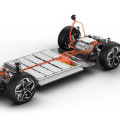
Electric vehicles contain high-voltage electrical systems, charging ports, sensors, cameras, and advanced driver-assistance components that require appropriate care. Although modern electric cars are generally designed to withstand normal rainfall and routine washing, owners should follow manufacturer instructions regarding cleaning procedures. High-pressure water should not be directed into charging connections, damaged seals, or other sensitive openings. Charging port covers should remain properly closed during washing, and electrical connections should be dry before charging. Careful cleaning around exterior cameras and sensors also helps preserve the visibility needed for their intended operation.
Maintaining Protective Coatings and Exterior Appearance
Some electric vehicles feature ceramic coatings, paint protection films, or specialized factory-applied finishes that require compatible maintenance products. Harsh detergents and abrasive cleaning materials can compromise certain protective treatments over time. Using suitable automotive shampoos and regularly removing bird droppings, road contaminants, and environmental residue helps maintain surface quality. Proper drying techniques are equally important because mineral deposits from standing water may leave visible spots. Clean microfiber drying towels or appropriate air-drying equipment can reduce unnecessary contact while preserving a consistent finish.
Supporting Long-Term Appearance and Vehicle Value
Regular gentle washing contributes to the long-term preservation of an electric vehicle's exterior. A consistent cleaning schedule helps prevent contaminant buildup and reduces the need for aggressive corrective treatments. Specialized finishes can be expensive to repair or refinish, making preventive maintenance especially valuable. By following manufacturer guidelines, selecting compatible cleaning products, and using careful washing techniques, electric vehicle owners can maintain distinctive exterior designs while protecting their vehicles' overall condition, appearance, and potential resale value.