Servicing modern electric vehicles requires a different set of skills compared with working on traditional gasoline or diesel-powered cars. Electric cars use high-voltage battery systems, electric motors, regenerative braking, sophisticated electronics, and complex thermal management systems. Because of these differences, technicians need specialized training before they can safely diagnose and repair them. Understanding high-voltage isolation procedures, battery architecture, charging systems, and electronic control modules is essential. A technician who is comfortable performing routine mechanical repairs may still need additional certification and hands-on training to work confidently around electric vehicle components. As more electric cars enter the market, auto garages that invest in education will be better prepared to meet changing customer needs.
High-Voltage Safety Equipment
One of the most important requirements for servicing electric vehicles is proper high-voltage safety equipment. Battery systems in electric cars can carry enough energy to cause serious injury if handled incorrectly. Garages need insulated gloves, insulated hand tools, voltage-rated protective equipment, warning signage, and clearly marked work areas. Technicians must also know how to disconnect and verify high-voltage systems before beginning certain repairs. Lockout and tagout procedures may be necessary to prevent a vehicle from being accidentally energized while it is being serviced. Safety preparation is especially important because electric vehicles can remain electrically active even when they appear to be switched off.
Advanced Diagnostic Tools
Modern electric vehicles depend heavily on software and electronic systems, so diagnostic equipment is another essential investment. Garages may need manufacturer-compatible scan tools, battery diagnostic equipment, insulation testers, thermal imaging devices, and software capable of reading electric vehicle fault codes. These tools allow technicians to evaluate battery health, charging performance, motor operation, cooling systems, and electronic control units. Traditional workshops such as In N Out Oil & Tires may already understand the importance of routine vehicle inspection, but servicing electric cars often requires expanding beyond conventional mechanical tools and adding technology designed specifically for high-voltage and computerized systems.
Proper Lifting and Battery Handling Equipment
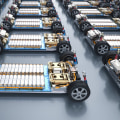
Electric vehicle batteries are extremely heavy and are typically positioned underneath the passenger compartment. If a battery pack needs to be removed, technicians require lifting equipment specifically designed to support its size and weight. Standard transmission jacks may not always be suitable. A workshop may need dedicated battery lift tables, reinforced lifting systems, and enough floor space to safely move large battery assemblies. Technicians must also understand vehicle-specific lifting points because incorrect positioning can damage battery enclosures or other underbody components.
Cooling and Thermal Management Systems
Battery temperature has a major influence on electric vehicle performance, charging speed, and long-term battery health. Many electric cars use liquid cooling systems to regulate battery and motor temperatures. Garages therefore need the correct equipment for draining, filling, bleeding, and testing these systems. Using the wrong coolant or failing to remove trapped air can affect performance and potentially damage expensive components. Technicians must follow manufacturer procedures carefully when servicing thermal management systems.
Understanding Electric Vehicle Maintenance
Electric vehicles generally require less routine engine maintenance because they do not use engine oil, spark plugs, or traditional exhaust systems. However, they still need brake inspections, tire rotations, suspension servicing, cabin filters, wheel alignments, coolant checks, and other maintenance. Regenerative braking can reduce brake pad wear, but corrosion and seized components may still develop if mechanical brakes are used less frequently.
Preparing an Auto Garage for the Future
Successfully servicing today’s electric cars requires a combination of training, safety procedures, advanced diagnostics, specialized tools, and updated workshop equipment. Garages that adapt to these requirements can safely handle both conventional and electric vehicles. As automotive technology continues to evolve, investing in electric vehicle capabilities can help workshops remain relevant while providing drivers with reliable maintenance and repair options.