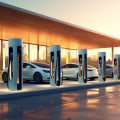
The landscape of electric car technology is rapidly evolving, marking a significant shift in the automotive industry. As concerns about climate change intensify, the demand for sustainable transportation solutions has never been greater. Electric vehicles (EVs) are at the forefront of this transformation, offering a cleaner alternative to traditional gasoline-powered cars. With advancements in battery technology, charging infrastructure, and vehicle design, the future of electric cars looks promising and is poised to reshape how we think about mobility. In recent years, we have witnessed remarkable advancements in electric vehicle technology that enhance performance, efficiency, and user experience.
From longer driving ranges to faster charging times, these innovations are making EVs more accessible and appealing to a broader audience. As major automakers invest heavily in research and development, we can expect to see even more groundbreaking features that will redefine what consumers expect from their vehicles. Moreover, the integration of smart technology into electric cars is paving the way for a more connected and automated driving experience. With features like autonomous driving capabilities and advanced infotainment systems, the future of electric cars is not just about being eco-friendly; it's also about enhancing convenience and safety for drivers. As we delve deeper into this topic, we will explore how these trends are shaping the future of electric car technology and what it means for consumers and the environment alike.
Current State of Electric Car Technology
The current state of electric car technology is marked by rapid advancements and a growing acceptance among consumers.As of 2023, the global electric vehicle (EV) market has seen significant growth, with sales figures reflecting a shift in consumer preferences towards sustainable transportation options.According to recent statistics, electric vehicle sales have surged, accounting for approximately 10% of total vehicle sales in the United States. This represents a substantial increase from previous years, driven by factors such as improved battery technology, expanded charging infrastructure, and government incentives aimed at promoting cleaner energy solutions.
Key Players in the Industry
- Tesla: Continues to dominate the market with its innovative models and extensive Supercharger network.
- Ford: Has made significant strides with its Mustang Mach-E and the upcoming electric F-150 Lightning.
- General Motors: Plans to transition to an all-electric lineup by 2035, showcasing models like the Chevrolet Bolt.
- Nissan: Remains a key player with its Leaf model, which has been popular since its launch.
Public and private sectors are collaborating to install more charging stations, making it easier for consumers to adopt electric vehicles. As a result, the landscape of electric car technology is not only evolving but also becoming more accessible to a broader audience.In summary, understanding the current landscape of electric car technology is essential for anticipating future trends. With increasing sales statistics and a commitment from major players in the industry, the future looks promising for electric vehicles as they continue to reshape the automotive market.
Innovations Driving Electric Car Technology Forward
The future of electric car technology is being shaped by a series of groundbreaking innovations that promise to enhance performance, efficiency, and user experience. Among these, advancements in battery technology stand out as a critical area of development.Advancements in Battery Technology
Modern electric vehicles (EVs) rely heavily on their batteries, and recent innovations are making them lighter, more efficient, and longer-lasting.For instance, the emergence of solid-state batteries is a game changer. Unlike traditional lithium-ion batteries, solid-state batteries use a solid electrolyte, which can significantly increase energy density and reduce charging times. This means that future EVs could travel much farther on a single charge while also being safer and more durable.
Charging Infrastructure Improvements
Another vital aspect of the future of electric car technology is the enhancement of charging infrastructure. As more consumers adopt electric vehicles, the demand for fast and accessible charging stations is growing.Innovations such as ultra-fast charging stations are being developed to reduce charging times to mere minutes rather than hours. Additionally, the integration of renewable energy sources into charging networks is becoming more prevalent, allowing for a more sustainable approach to powering electric vehicles.
New Materials in Vehicle Production
The materials used in the production of electric cars are also evolving. Manufacturers are increasingly turning to lightweight materials such as carbon fiber and advanced composites to improve vehicle efficiency. By reducing the overall weight of EVs, these materials help enhance range and performance while also contributing to better handling and safety.In conclusion, the innovations driving electric car technology forward are not only focused on improving battery life and charging speed but also on creating a more sustainable and efficient ecosystem for electric vehicles.As these technologies continue to develop, they will play a crucial role in shaping the future of transportation.
The Role of Government Policies and Incentives
The future of electric car technology is significantly influenced by government policies and incentives designed to accelerate the transition to electric vehicles (EVs). As concerns about climate change and air quality grow, many governments are implementing regulations and initiatives that promote the adoption of EVs.Government policies
play a crucial role in shaping the landscape for electric cars. For instance, various countries have set ambitious targets for phasing out internal combustion engine vehicles. These regulations not only encourage manufacturers to invest in electric vehicle technology but also create a sense of urgency for consumers to switch to cleaner alternatives.- Subsidies and Tax Incentives: Many governments offer financial incentives such as tax credits, rebates, and grants to lower the upfront costs of purchasing electric vehicles.
These incentives can significantly reduce the price barrier for consumers, making EVs more accessible.
- Charging Infrastructure Development: To support the growing number of electric cars on the road, governments are investing in charging infrastructure. This includes funding for public charging stations and incentives for businesses to install EV chargers, which helps alleviate range anxiety among potential buyers.
- Emission Regulations: Stricter emission standards are pushing automakers to innovate and produce more efficient electric vehicles. Compliance with these regulations often requires significant investment in research and development, leading to advancements in battery technology and overall vehicle performance.
As policies evolve, they will likely continue to shape consumer behavior and industry standards, paving the way for a more sustainable automotive future.
Challenges Facing Electric Car Technology
The future of electric car technology is promising, yet it is not without its challenges. As the demand for electric vehicles (EVs) continues to grow, several barriers must be addressed to ensure widespread adoption.Range Anxiety
One of the most significant challenges is range anxiety, which refers to the fear that a vehicle has insufficient charge to reach its destination. Many potential EV buyers are concerned about the limited range of electric cars compared to traditional gasoline vehicles. Although advancements in battery technology are improving range, the perception of inadequate distance remains a hurdle.Charging Infrastructure Limitations
Another critical issue is the charging infrastructure.While urban areas may have a growing number of charging stations, rural regions often lack adequate access. This disparity can deter potential buyers who fear they will not have convenient charging options during long trips. Expanding the charging network and ensuring fast-charging capabilities are essential steps toward alleviating these concerns.
Sustainability Issues
Moreover, there are sustainability issues related to battery production and disposal. The extraction of materials such as lithium and cobalt raises environmental and ethical questions.Additionally, the recycling of batteries at the end of their life cycle poses another challenge. Addressing these sustainability concerns is crucial for the long-term viability of electric car technology. In conclusion, while electric car technology holds great potential for reducing carbon emissions and promoting sustainable transportation, overcoming these challenges is vital for its future success. Stakeholders in the automotive industry must collaborate to develop innovative solutions that address range anxiety, enhance charging infrastructure, and ensure environmentally responsible battery production and disposal.
Future Trends in Electric Car Technology
The future of electric car technology is poised for remarkable advancements that will redefine the automotive landscape. As we look ahead, several key trends and technologies are emerging that promise to enhance the performance, efficiency, and user experience of electric vehicles (EVs).Autonomous Driving Capabilities
One of the most exciting developments in electric car technology is the integration of autonomous driving capabilities.Companies like Tesla, Waymo, and others are investing heavily in artificial intelligence (AI) to create self-driving systems that can navigate complex environments with minimal human intervention. This technology not only aims to improve safety but also enhances the convenience of EVs, allowing drivers to engage in other activities while on the road.
Vehicle-to-Grid Technology
Vehicle-to-grid (V2G) technology is another trend gaining traction. This innovative system allows electric vehicles to communicate with the power grid, enabling them to send excess energy back to the grid during peak demand times. This not only helps stabilize the grid but also provides EV owners with potential financial incentives through energy credits.As more renewable energy sources are integrated into the grid, V2G technology will play a crucial role in balancing supply and demand.
Advancements in Battery Technology
The heart of any electric vehicle is its battery, and ongoing research is focused on developing batteries that are lighter, more efficient, and have a longer lifespan. Solid-state batteries, for instance, promise to deliver higher energy densities and faster charging times compared to traditional lithium-ion batteries. These advancements could significantly reduce charging times and increase the driving range of electric cars, making them more appealing to consumers.Smart Connectivity and AI Integration
The integration of smart connectivity features powered by AI is set to revolutionize how drivers interact with their vehicles. From predictive maintenance alerts to personalized driving experiences based on user preferences, AI will enhance the overall functionality of electric cars.Furthermore, as EVs become more connected, they will be able to communicate with other vehicles and infrastructure, paving the way for smarter cities.In conclusion, the future of electric car technology is bright and filled with potential. With advancements in autonomous driving, V2G technology, battery innovations, and smart connectivity, electric vehicles are not just a trend but a fundamental shift towards a sustainable and efficient transportation system.
Consumer Perspectives on Electric Car Technology
As the landscape of electric car technology continues to evolve, consumer perspectives play a crucial role in shaping its future. Understanding how potential buyers view electric vehicles (EVs) can provide insights into the factors that influence their decisions.Consumer Attitudes Towards Electric Cars
Many consumers are increasingly aware of the environmental benefits associated with electric vehicles. The desire to reduce carbon footprints and contribute to a more sustainable future is a significant motivator for many buyers.However, this positive attitude is often tempered by concerns regarding the cost and convenience of owning an EV.
Cost Considerations
The initial purchase price of electric cars remains a barrier for many consumers. Although prices have been decreasing, the upfront cost can still be higher than that of traditional gasoline vehicles. Additionally, potential buyers often consider the long-term savings on fuel and maintenance costs, which can make EVs more appealing over time.Convenience and Charging Infrastructure
Another critical factor influencing consumer decisions is the availability of charging infrastructure. Many consumers express concerns about the accessibility and convenience of charging stations.The development of fast-charging networks and home charging solutions is essential to alleviate these worries and enhance the overall EV ownership experience.
Public Perception and Social Influence
The public perception of electric vehicles is also shaped by social influences. As more individuals adopt EVs, their experiences can sway opinions among friends and family. Positive testimonials about performance, reliability, and driving experience can encourage others to consider making the switch.The Role of Incentives
Government incentives play a pivotal role in shaping consumer attitudes towards electric car technology. Tax credits, rebates, and other financial incentives can significantly lower the effective cost of purchasing an EV, making them more attractive to a broader audience.In conclusion, while consumer perspectives on electric car technology are generally positive, several factors such as cost, convenience, and public perception significantly influence their decisions.As technology advances and infrastructure improves, it is likely that these attitudes will continue to evolve, paving the way for greater adoption of electric vehicles.
Conclusion: The Road Ahead for Electric Car Technology
As we look to the future of electric car technology, it is clear that we are on the brink of a transformative era in the automotive industry. The advancements discussed throughout this article highlight not only the rapid pace of innovation but also the growing commitment from manufacturers, governments, and consumers alike to embrace sustainable transportation solutions.One of the most significant trends is the ongoing development of battery technology. With breakthroughs in solid-state batteries and improved energy density, we can expect electric vehicles (EVs) to offer longer ranges and shorter charging times. This will address one of the primary concerns for potential EV buyers: range anxiety.Moreover, the integration of smart technology into electric vehicles is set to enhance user experience significantly.Features such as advanced driver-assistance systems (ADAS), over-the-air updates, and vehicle-to-grid (V2G) technology will not only improve safety but also allow for more efficient energy management.Furthermore, as charging infrastructure continues to expand, particularly with fast-charging stations becoming more prevalent, the convenience of owning an electric car will increase. This infrastructure development is crucial for supporting the anticipated growth in EV adoption.In addition to technological advancements, consumer engagement plays a vital role in shaping the future of electric car technology. As awareness about climate change and environmental sustainability grows, more consumers are likely to consider electric vehicles as a viable alternative to traditional combustion engines. Education and outreach initiatives will be essential in helping consumers understand the benefits and capabilities of EVs.In conclusion, the road ahead for electric car technology is filled with promise.
Continued innovation in battery technology, smart features, and charging infrastructure will pave the way for a more sustainable future. As stakeholders across various sectors collaborate to drive this change, it is imperative that consumers remain engaged and informed about their options. The journey towards a greener automotive landscape is just beginning, and it holds immense potential for both individuals and society as a whole.