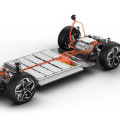
The world of electric car technology is rapidly evolving, transforming the way we think about transportation. As concerns over climate change and fossil fuel dependency grow, electric vehicles (EVs) have emerged as a viable alternative, offering a cleaner and more sustainable mode of travel. This shift not only addresses environmental issues but also paves the way for advancements in technology that enhance the driving experience. Understanding the different types of electric cars available today is crucial for consumers looking to make informed decisions. From fully electric vehicles that run solely on battery power to hybrid models that combine traditional engines with electric propulsion, the options are diverse.
Each type comes with its own set of benefits and challenges, catering to various needs and preferences. As we delve deeper into this topic, we will explore how these vehicles operate, their unique features, and what sets them apart in the automotive landscape. Moreover, the rise of electric vehicles signifies a broader trend towards innovation in electric vehicle technology. With advancements in battery efficiency, charging infrastructure, and smart technology integration, the future of transportation is not just about getting from point A to point B; it’s about enhancing connectivity and sustainability. Join us as we embark on this journey to uncover the fascinating world of electric cars and their transformative impact on our roads.
Understanding Electric Cars: A Brief Overview
Electric cars are revolutionizing the automotive industry by offering a cleaner, more efficient alternative to traditional gasoline-powered vehicles.At their core, electric cars utilize electric motors powered by rechargeable batteries, which distinguishes them from conventional cars that rely on internal combustion engines.
What is an Electric Car?
An electric car is a vehicle that is propelled by one or more electric motors, using energy typically stored in rechargeable batteries. Unlike traditional vehicles that burn fuel to create power, electric cars convert electrical energy into mechanical energy, resulting in zero tailpipe emissions and a significantly reduced carbon footprint.
Electric Car Basics
- Battery Technology: The heart of an electric car is its battery pack, which stores the energy needed to power the vehicle. Most modern electric cars use lithium-ion batteries due to their high energy density and efficiency.
- Charging Infrastructure: Electric cars can be charged at home using a standard outlet or a dedicated charging station. Public charging stations are also becoming increasingly available, allowing for convenient recharging during longer trips.
- Regenerative Braking: This innovative feature allows electric cars to recover energy during braking, which is then fed back into the battery, enhancing overall efficiency.
How Electric Cars Work
The operation of an electric car is relatively straightforward.
When the driver presses the accelerator pedal, the vehicle's control system draws power from the battery and sends it to the electric motor. This motor then turns the wheels, propelling the car forward. The simplicity of this system not only reduces mechanical complexity but also enhances reliability and lowers maintenance costs compared to traditional vehicles.In summary, understanding the basics of electric car technology is essential for anyone considering making the switch from gasoline-powered vehicles. With advancements in battery technology and charging infrastructure, electric cars are becoming more accessible and practical for everyday use.
Types of Electric Cars
As the demand for sustainable transportation grows, various types of electric cars have emerged, each designed to meet different needs and preferences.Understanding these types can help consumers make informed decisions about their next vehicle purchase.
Battery Electric Vehicles (BEVs)
Battery Electric Vehicles, or BEVs, are fully electric cars that run entirely on electricity stored in rechargeable batteries. They produce zero tailpipe emissions, making them an environmentally friendly option. Key features of BEVs include:- Range: Many modern BEVs offer a range of over 200 miles on a single charge, with some models exceeding 300 miles.
- Charging: BEVs can be charged at home using a standard outlet or a dedicated charging station, as well as at public charging stations.
- Performance: These vehicles often provide instant torque, resulting in quick acceleration and a smooth driving experience.
Plug-in Hybrid Electric Vehicles (PHEVs)
Plug-in Hybrid Electric Vehicles, or PHEVs, combine a traditional internal combustion engine with an electric motor and battery. This dual system allows for greater flexibility in driving.Some benefits of PHEVs include:
- Versatility: PHEVs can operate on electric power alone for shorter trips, while the gasoline engine kicks in for longer journeys.
- Reduced Emissions: By using electric power for daily commutes, PHEV owners can significantly lower their carbon footprint.
- Fuel Efficiency: These vehicles typically achieve better fuel economy compared to conventional gasoline cars.
Fuel Cell Electric Vehicles (FCEVs)
Fuel Cell Electric Vehicles, or FCEVs, utilize hydrogen gas to generate electricity through a chemical reaction in a fuel cell. This technology offers unique advantages:- Refueling Time: FCEVs can be refueled in just a few minutes, similar to traditional gasoline vehicles.
- Long Range: Many FCEVs provide a driving range comparable to that of gasoline cars, making them suitable for longer trips.
- Sustainability: The only byproduct of hydrogen fuel cells is water vapor, making FCEVs an extremely clean option.
Battery Electric Vehicles (BEVs)
Battery Electric Vehicles, commonly known as BEVs, are a type of electric car that operates solely on electricity stored in batteries. Unlike traditional vehicles that rely on gasoline or diesel, BEVs are powered by electric motors, making them a popular choice for environmentally conscious consumers.Advantages of BEVs
- Zero Emissions: One of the most significant benefits of BEVs is their ability to produce zero tailpipe emissions.
This contributes to improved air quality and reduced greenhouse gas emissions, making them an eco-friendly option.
- Lower Operating Costs: BEVs typically have lower operating costs compared to internal combustion engine vehicles. Electricity is generally cheaper than gasoline, and BEVs require less maintenance due to fewer moving parts.
- Incentives and Rebates: Many governments offer incentives for purchasing BEVs, including tax credits and rebates, which can significantly reduce the overall cost of ownership.
- Quiet Operation: BEVs operate quietly, contributing to reduced noise pollution in urban areas.
Disadvantages of BEVs
- Range Anxiety: One of the primary concerns for potential BEV owners is range anxiety—the fear of running out of battery power before reaching a charging station. While many modern BEVs offer impressive ranges, this concern can still deter some buyers.
- Charging Infrastructure: Although the charging network is expanding, it may not be as readily available as gas stations, particularly in rural areas. This can make long-distance travel more challenging for BEV owners.
- Longer Refueling Time: Charging a BEV takes significantly longer than refueling a conventional vehicle.
While fast chargers can reduce this time, it still requires planning for longer trips.
Plug-in Hybrid Electric Vehicles (PHEVs)
Plug-in Hybrid Electric Vehicles, commonly known as PHEVs, represent a significant advancement in electric car technology. These vehicles combine a traditional internal combustion engine with an electric motor, allowing for a versatile driving experience. PHEVs can operate on electric power alone for shorter trips, while the gasoline engine kicks in for longer journeys, making them an appealing option for many drivers.Benefits of PHEVs
- Flexibility: PHEVs offer the flexibility of using electric power for daily commutes and gasoline for longer trips, reducing range anxiety often associated with fully electric vehicles.
- Fuel Efficiency: By utilizing both electric and gasoline power, PHEVs can achieve higher fuel efficiency compared to traditional vehicles, leading to lower fuel costs.
- Environmental Impact: PHEVs produce fewer emissions than conventional cars, especially when driven in electric mode, contributing to a reduction in overall carbon footprint.
- Incentives: Many regions offer tax credits and incentives for purchasing PHEVs, making them financially attractive options for eco-conscious consumers.
Limitations of PHEVs
- Battery Size: While PHEVs can run on electric power, their battery capacity is typically smaller than that of fully electric vehicles, limiting the all-electric range.
- Charging Infrastructure: Although charging stations are becoming more common, they may not be as readily available as gasoline stations, which can be a concern for some users.
- Maintenance Costs: With both an electric motor and a gasoline engine, PHEVs may incur higher maintenance costs compared to fully electric vehicles due to the complexity of their systems.
They offer unique benefits while also presenting certain limitations that potential buyers should consider. As technology continues to evolve, PHEVs are likely to play an important role in the transition towards more sustainable transportation solutions.
Fuel Cell Electric Vehicles (FCEVs)
Fuel Cell Electric Vehicles (FCEVs) represent a significant advancement in electric car technology, utilizing hydrogen as a fuel source to generate electricity through a chemical reaction. This innovative approach not only offers a sustainable alternative to traditional fossil fuels but also contributes to reducing greenhouse gas emissions.FCEV technology
operates by converting hydrogen gas into electricity, which then powers an electric motor. The process involves two electrodes—an anode and a cathode—separated by an electrolyte membrane.When hydrogen is supplied to the anode, it splits into protons and electrons. The protons pass through the membrane, while the electrons create an electric current that can be harnessed to power the vehicle. At the cathode, oxygen from the air combines with the protons and electrons to produce water and heat as byproducts, making FCEVs environmentally friendly.
Pros of FCEVs
- Zero Emissions: The only byproduct of hydrogen fuel cells is water, making FCEVs a clean transportation option.
- Quick Refueling: Refueling an FCEV takes about the same time as filling a gasoline vehicle, typically around 5 minutes.
- Long Range: Many FCEVs offer a driving range comparable to traditional vehicles, often exceeding 300 miles on a single tank of hydrogen.
Cons of FCEVs
- Infrastructure Challenges: The availability of hydrogen refueling stations is limited, particularly in rural areas, which can hinder widespread adoption.
- Production Costs: Currently, producing hydrogen fuel can be expensive and energy-intensive, often relying on natural gas or other non-renewable sources.
- Vehicle Cost: FCEVs tend to have higher upfront costs compared to battery electric vehicles (BEVs), primarily due to the complexity of fuel cell technology.
Comparing Different Types of Electric Cars
When considering electric car technology, it's essential to understand the different types of electric vehicles (EVs) available on the market today.Each type has its unique features, advantages, and disadvantages, making them suitable for various driving needs and lifestyles.
Battery Electric Vehicles (BEVs)
Battery Electric Vehicles are fully electric cars that run solely on electricity stored in their batteries. BEVs are typically equipped with larger battery packs, allowing for longer ranges—often exceeding 200 miles on a single charge. Popular models include the Tesla Model 3 and the Nissan Leaf.Plug-in Hybrid Electric Vehicles (PHEVs)
Plug-in Hybrid Electric Vehicles combine a traditional internal combustion engine with an electric motor and a rechargeable battery. PHEVs can operate on electric power alone for shorter distances (usually between 20 to 50 miles) before switching to gasoline.This flexibility makes them an excellent choice for those who want to reduce fuel consumption without the range anxiety associated with BEVs. Examples include the Toyota Prius Prime and the Ford Fusion Energi.
Fuel Cell Electric Vehicles (FCEVs)
Fuel Cell Electric Vehicles utilize hydrogen as a fuel source, converting it into electricity through a chemical reaction in a fuel cell. FCEVs emit only water vapor as a byproduct, making them another clean alternative. However, the availability of hydrogen refueling stations is limited compared to charging stations for BEVs and PHEVs.The Toyota Mirai is one of the most recognized FCEVs currently available.
Choosing the Best Type of Electric Car
The best type of electric car for you depends on your driving habits, budget, and environmental considerations. If you primarily drive short distances and have access to charging infrastructure, a BEV may be ideal. For those who frequently take longer trips or want the flexibility of gasoline backup, a PHEV could be more suitable. Meanwhile, if you're interested in cutting-edge technology and have access to hydrogen fueling stations, an FCEV might be worth exploring.Ultimately, understanding these differences in electric car technology will empower you to make an informed decision that aligns with your personal needs and values.The Future of Electric Car Technology
The future of electric car technology is poised for remarkable advancements that promise to reshape the automotive landscape.As the demand for sustainable transportation grows, several key trends are emerging that will define the next generation of electric vehicles (EVs).
Battery Innovations
One of the most significant areas of development is in battery technology. Current lithium-ion batteries are being improved upon with new materials and designs that aim to enhance energy density, reduce charging times, and extend overall lifespan. For instance, solid-state batteries are gaining traction due to their potential for higher energy capacity and safety compared to traditional batteries.Charging Infrastructure Expansion
As electric cars become more mainstream, the charging infrastructure is also evolving. Fast-charging stations are being deployed at a rapid pace, making it easier for EV owners to recharge their vehicles on long trips.Additionally, innovations like wireless charging and ultra-fast charging technologies are expected to further enhance convenience.
Autonomous Driving Integration
The integration of autonomous driving technology with electric vehicles is another exciting trend. Many manufacturers are investing heavily in self-driving capabilities, which could lead to a future where electric cars not only reduce emissions but also transform how we think about mobility.Sustainability and Recycling
As the industry evolves, there is a growing emphasis on sustainability beyond just the vehicle's operation. Companies are exploring ways to recycle old batteries and use sustainable materials in manufacturing processes. This holistic approach will not only minimize environmental impact but also appeal to eco-conscious consumers.Market Trends and Consumer Adoption
The trends in electric vehicles indicate a shift in consumer preferences towards greener options.With government incentives and increasing awareness of climate change, more people are considering EVs as viable alternatives to traditional gasoline-powered cars. This shift is likely to accelerate as technology continues to improve and prices become more competitive.In conclusion, the future of electric car technology is bright, driven by innovations in battery systems, charging infrastructure, autonomous capabilities, and a commitment to sustainability. As these advancements unfold, they will not only enhance the driving experience but also contribute significantly to reducing our carbon footprint.
Conclusion: Embracing the Electric Revolution
As we conclude our exploration of electric car technology, it is evident that the landscape of personal transportation is undergoing a significant transformation. Understanding the different types of electric vehicles (EVs) available today is crucial for consumers looking to make informed decisions that align with their values and needs.From Battery Electric Vehicles (BEVs) that operate solely on electric power, to Plug-in Hybrid Electric Vehicles (PHEVs) that combine traditional engines with electric capabilities, each type offers unique advantages.Additionally, Hybrid Electric Vehicles (HEVs) provide a middle ground, utilizing both electric and gasoline power without the need for external charging.The shift towards electric mobility is not just about reducing emissions; it also represents a broader commitment to sustainability and innovation. As technology advances, we can expect improvements in battery efficiency, charging infrastructure, and overall vehicle performance. This evolution will make electric cars more accessible and appealing to a wider audience.Moreover, understanding these distinctions helps consumers choose the right vehicle based on their lifestyle, driving habits, and environmental concerns. For instance:
- BEVs are ideal for those who have access to charging stations and prefer a zero-emission vehicle.
- PHEVs offer flexibility for longer trips while still allowing for electric-only driving in urban settings.
- HEVs can be a great option for individuals who want to ease into electric driving without fully committing to an all-electric model.
By understanding the different types of electric cars, consumers can make choices that not only benefit their personal circumstances but also contribute to a more sustainable future for our planet.