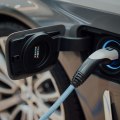
The evolution of electric car technology has transformed the automotive landscape, offering a sustainable alternative to traditional gasoline-powered vehicles. As more consumers consider making the switch to electric vehicles (EVs), understanding the travel distance limitations becomes crucial. While advancements in battery technology have significantly improved the range of modern electric cars, several factors still influence how far these vehicles can travel on a single charge. One of the primary determinants of an electric vehicle's range is its battery capacity, measured in kilowatt-hours (kWh). Larger batteries typically provide longer ranges, but they also add weight and cost to the vehicle.
Additionally, driving conditions play a vital role; factors such as terrain, weather, and driving habits can all impact how efficiently an EV uses its battery power. For instance, hilly terrains and extreme temperatures can reduce range, making it essential for potential EV owners to consider their typical driving environments. Moreover, the charging infrastructure is another critical aspect that affects the practicality of electric car travel. While many urban areas are rapidly expanding their charging networks, rural regions may still lack sufficient access to charging stations. This disparity can create anxiety for drivers concerned about running out of battery power before reaching their destination.
As we delve deeper into this topic, we will explore these limitations in detail and discuss how emerging technologies and strategies are addressing these challenges, paving the way for a more robust future in electric mobility.
Understanding Electric Vehicle Range
Understanding electric vehicle range is crucial for potential buyers and current owners alike. The term refers to the maximum distance an electric car can travel on a single charge. This range is influenced by several factors, including driving conditions, vehicle design, and most importantly, battery capacity.Battery capacity
is typically measured in kilowatt-hours (kWh) and directly correlates with how far an electric vehicle (EV) can go. A higher capacity means more energy stored, which translates to a longer range.For instance, a vehicle with a 60 kWh battery may offer a range of approximately 200 miles, while one with a 100 kWh battery could exceed 300 miles under optimal conditions.However, the actual range can vary significantly based on several factors:
- Driving Style: Aggressive acceleration and high speeds can deplete the battery faster.
- Terrain: Hilly or mountainous regions require more energy than flat roads.
- Weather Conditions: Extreme temperatures can affect battery performance; cold weather can reduce range by up to 40%.
- Accessory Use: Using air conditioning or heating can also drain the battery more quickly.
Key Factors Influencing Travel Distance
The travel distance of electric cars is influenced by a variety of factors that can significantly impact their performance and efficiency. Understanding these factors is crucial for potential buyers and current owners alike.- Driving Conditions: The type of driving—whether it’s city or highway—plays a vital role in determining how far an electric car can travel on a single charge.
City driving often involves frequent stops and starts, which can drain the battery more quickly compared to steady highway speeds. In urban environments, regenerative braking can help recover some energy, but overall, the stop-and-go nature tends to reduce range.
- Terrain: The landscape through which an electric vehicle (EV) travels also affects its distance capabilities. Hilly or mountainous terrain requires more energy to ascend inclines, leading to increased battery consumption. Conversely, driving downhill can aid in energy recovery through regenerative braking, but the overall impact of elevation changes should not be underestimated.
- Weather Impact: Weather conditions are another critical factor influencing electric car distance.
Cold temperatures can reduce battery efficiency and capacity, leading to shorter travel distances. Studies have shown that EVs can lose up to 40% of their range in extremely cold weather due to increased energy demands for heating and reduced chemical reactions within the battery. On the other hand, high temperatures can also affect battery performance, although the impact is generally less severe than that of cold weather.
Battery Technology and Its Limitations
The current state of battery technology is a critical factor in determining the distance an electric car can travel on a single charge.Most electric vehicles (EVs) utilize lithium-ion batteries, which have become the standard due to their high energy density and relatively low weight. However, these batteries come with inherent limitations that affect their performance and range.One of the primary limitations of lithium-ion batteries is their energy density. While advancements have been made, the energy density of current batteries still restricts the maximum range of electric vehicles. For instance, most EVs today can travel between 200 to 400 miles on a full charge, but this range can be significantly impacted by factors such as driving conditions, temperature, and battery age.
Challenges Facing Current Battery Technology
- Charging Time: Even with fast-charging technology, recharging a lithium-ion battery can take anywhere from 30 minutes to several hours, which is considerably longer than refueling a gasoline vehicle.
- Degradation: Over time, lithium-ion batteries lose their ability to hold a charge, leading to reduced range and performance.
- Temperature Sensitivity: Extreme temperatures can adversely affect battery performance, reducing efficiency and range.
Researchers are exploring alternatives such as solid-state batteries, which promise higher energy densities and faster charging times. These batteries could potentially double the range of electric vehicles while also improving safety and longevity.Additionally, advancements in battery recycling and second-life applications are being developed to mitigate environmental concerns associated with battery disposal. As these technologies evolve, they hold the potential to revolutionize the electric vehicle market by enhancing range, reducing costs, and making EVs more accessible to a broader audience.In conclusion, while current battery technology, particularly lithium-ion batteries, presents certain limitations that impact the distance an electric car can travel, ongoing research and future innovations offer hope for significant improvements in the near future.
Charging Infrastructure and Its Impact on Travel Distance
The charging infrastructure plays a crucial role in determining the practical travel distance of electric vehicles (EVs). While advancements in electric car technology have significantly improved battery efficiency and range, the availability and accessibility of charging stations can either enhance or limit the driving experience.One of the primary concerns for potential EV owners is the availability of charging stations.In urban areas, charging stations are becoming increasingly common, making it easier for drivers to recharge their vehicles during daily commutes. However, in rural or less populated regions, the scarcity of charging points can pose a challenge for long-distance travel. This disparity can lead to what is often referred to as "range anxiety," where drivers worry about running out of battery before reaching a charging station.To mitigate these concerns, many cities and states are investing in expanding their charging infrastructure. This includes:
- Fast chargers: These allow for quicker recharging times, enabling drivers to get back on the road faster.
- Strategic placement: Charging stations are being installed along major highways and travel routes to facilitate long-distance journeys.
- Incentives for businesses: Many governments offer incentives for businesses to install charging stations, increasing accessibility for EV users.
For instance, mobile apps now provide real-time information on nearby charging stations, including their availability and charging speeds. This technology empowers drivers to plan their routes more effectively, ensuring they can find a charging point when needed.In conclusion, while electric car technology continues to evolve and improve vehicle range, the effectiveness of long-distance travel with electric cars heavily relies on the robustness of the charging infrastructure. As this infrastructure continues to grow and adapt, it will play a pivotal role in shaping the future of electric vehicle travel.
Real-World Examples of Electric Car Ranges
Understanding the real-world range of electric vehicles (EVs) is crucial for potential buyers and current users alike. While manufacturers often provide estimated ranges under ideal conditions, actual performance can vary significantly based on several factors.Here are some notable examples:
Tesla Model 3
The Tesla Model 3 has gained popularity for its impressive range. In optimal conditions, the Long Range variant can travel up to 358 miles on a single charge. However, real-world tests have shown that driving at higher speeds or in colder climates can reduce this range to approximately 300 miles. Users have reported that using the vehicle's heating system in winter can further decrease the distance.Nissan Leaf
The Nissan Leaf, one of the best-selling electric cars globally, offers a different perspective.The standard model has an EPA-rated range of 150 miles, but many users have experienced ranges closer to 120 miles in urban settings with frequent stops and starts. The Leaf Plus variant, with a larger battery, can achieve around 226 miles, but again, real-world conditions such as temperature and driving style play a significant role.
Chevrolet Bolt EV
The Chevrolet Bolt EV is another strong contender in the electric vehicle market. With an EPA-estimated range of 259 miles, many drivers report achieving close to this figure under normal driving conditions. However, during highway driving or in extreme weather, users have noted a drop to around 220 miles.User Experiences and Case Studies
- Cold Weather Impact: A study conducted in Minnesota found that EVs could lose up to 40% of their range in sub-zero temperatures due to battery efficiency drops and increased energy use for heating.
- Driving Habits: A survey of EV owners revealed that those who adopted eco-driving techniques could extend their range by as much as 15-20%.
- Charging Infrastructure: Users in urban areas with access to fast charging stations reported feeling more confident about their range limitations, often planning longer trips without anxiety.
Understanding these nuances is essential for maximizing the benefits of owning an electric car.
Future Trends in Electric Car Technology and Range Improvements
The future of electric car technology is poised for significant advancements that promise to enhance the travel distance of electric vehicles (EVs). As the demand for sustainable transportation grows, researchers and manufacturers are focusing on innovative solutions to overcome current limitations in range.Battery Technology Innovations
One of the most critical areas of development is in battery technology. Solid-state batteries, for instance, are emerging as a game-changer. Unlike traditional lithium-ion batteries, solid-state batteries use a solid electrolyte, which can potentially increase energy density and reduce charging times.This advancement could lead to EVs with ranges exceeding 500 miles on a single charge.
Enhanced Charging Infrastructure
Another trend is the expansion of charging infrastructure. Fast-charging stations are becoming more prevalent, allowing drivers to recharge their vehicles quickly during long trips. Companies are investing in ultra-fast charging technologies that can deliver up to 350 kW, enabling an 80% charge in under 30 minutes. This improvement not only enhances convenience but also alleviates range anxiety.Vehicle Design and Aerodynamics
Advancements in vehicle design also play a crucial role in improving range.Manufacturers are increasingly focusing on aerodynamics and lightweight materials to enhance efficiency. By reducing drag and weight, EVs can travel further on less energy. Innovations such as active aerodynamics, which adjust the vehicle's shape based on speed and driving conditions, are being explored to maximize efficiency.
Regenerative Braking Systems
Regenerative braking systems are another area where technology is evolving. These systems capture energy typically lost during braking and convert it back into usable power for the battery.Future enhancements in this technology could significantly extend the range of electric vehicles by improving overall energy efficiency.In conclusion, the future trends in electric car technology indicate a promising trajectory towards overcoming current limitations in travel distance. With ongoing innovations in battery technology, charging infrastructure, vehicle design, and energy recovery systems, the potential for electric vehicles to achieve greater ranges is becoming increasingly feasible.
Frequently Asked Questions about Electric Car Travel Distance
As electric vehicles (EVs) gain popularity, many potential buyers have questions about their travel distance. Here are some frequently asked questions that can help clarify common misconceptions about electric car technology and range.What is the average range of an electric car?
The average range of modern electric cars varies significantly depending on the model and battery capacity. Most new EVs can travel between 200 to 400 miles on a single charge.For instance, popular models like the Tesla Model 3 offer ranges exceeding 350 miles, while other models may provide less than 200 miles. It's essential to consider your driving habits when evaluating range.
Do electric cars lose range in cold weather?
Yes, cold weather can impact the performance of electric vehicles. Battery efficiency decreases in lower temperatures, which can reduce the overall range by as much as 20% to 40%. However, many manufacturers are improving battery technology to mitigate these effects, and using features like preconditioning can help maintain optimal battery performance.Can I extend the range of my electric car?
There are several ways to maximize your EV's range:- Driving habits: Smooth acceleration and deceleration can improve efficiency.
- Tire maintenance: Keeping tires properly inflated reduces rolling resistance.
- Use of regenerative braking: This feature helps recover energy during braking.
- Avoiding excess weight: Reducing unnecessary cargo can enhance performance.
Are there any misconceptions about electric car range?
A common misconception is that all electric cars have a limited range that makes them impractical for long trips.While it's true that early models had limited ranges, advancements in battery technology have significantly improved this aspect. Additionally, the growing network of fast-charging stations makes it easier to travel longer distances without significant delays.Understanding these aspects of electric car technology can help dispel myths and encourage more informed decisions about EV ownership.
Conclusion: The Future of Electric Car Travel Distance
As we conclude our exploration of the limitations surrounding the travel distance of electric vehicles, it is clear that electric car technology is rapidly evolving. The advancements in battery efficiency, charging infrastructure, and overall vehicle design are paving the way for a future where range anxiety may become a thing of the past.One of the most significant factors influencing the distance an electric car can travel is the battery capacity. Modern electric vehicles are equipped with larger and more efficient batteries, allowing for longer ranges on a single charge.For instance, many new models can now exceed 300 miles per charge, which was once considered a benchmark for long-range electric cars.Moreover, the development of fast-charging technology is enhancing the practicality of electric vehicles. With the ability to recharge significant portions of battery capacity in just 30 minutes, drivers can enjoy greater flexibility during long trips. This improvement in charging speed is crucial for reducing downtime and making electric cars more appealing to a broader audience.Looking ahead, we can expect further innovations in battery technology, such as solid-state batteries, which promise even greater energy density and safety. These advancements could potentially double the range of electric vehicles while also reducing charging times significantly.In addition to technological improvements, the expansion of charging networks will play a vital role in enhancing travel distances.
As more charging stations become available, particularly in rural and underserved areas, drivers will feel more confident embarking on longer journeys.In summary, while there are currently limitations to how far electric cars can travel, ongoing advancements in electric car technology, coupled with an expanding infrastructure, suggest a promising future. As these developments continue to unfold, we can anticipate a world where electric vehicles not only match but exceed the travel capabilities of traditional gasoline-powered cars.