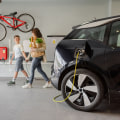
As the world shifts towards more sustainable energy solutions, electric car technology has emerged as a pivotal player in the automotive industry. Unlike traditional vehicles that rely on internal combustion engines, electric cars utilize electric motors powered by rechargeable batteries. This fundamental difference not only reduces greenhouse gas emissions but also enhances energy efficiency, making electric vehicles (EVs) an attractive option for environmentally conscious consumers. The mechanics of how electric cars work may seem complex at first glance, but they can be broken down into several key components. At the heart of every electric vehicle is its battery pack, which stores electrical energy and supplies it to the motor.
This motor then converts that electrical energy into mechanical energy, propelling the vehicle forward. Additionally, regenerative braking systems in electric cars capture energy during braking and feed it back into the battery, further improving efficiency. Understanding the basics of electric vehicles is essential as they continue to gain traction in the market. With advancements in battery technology and charging infrastructure, electric cars are becoming more accessible and practical for everyday use. As we delve deeper into this topic, we will explore the various components that make up electric vehicles, their benefits over conventional cars, and what the future holds for this innovative technology.
The Basics of Electric Vehicles
An electric vehicle (EV) is a type of automobile that is powered by one or more electric motors, using energy stored in rechargeable batteries.Unlike traditional vehicles that rely on internal combustion engines, electric cars utilize electricity as their primary source of power, making them more environmentally friendly and efficient.There are several types of electric cars, each designed to meet different needs and preferences:
- Battery Electric Vehicles (BEVs): These vehicles run entirely on electricity and do not have a gasoline engine. They are charged through an external power source and are known for their zero tailpipe emissions.
- Plug-in Hybrid Electric Vehicles (PHEVs): PHEVs combine a conventional gasoline engine with an electric motor. They can be charged from an external source and can operate on electric power alone for a limited range before switching to gasoline.
- Hybrid Electric Vehicles (HEVs): HEVs use both an internal combustion engine and an electric motor, but they cannot be charged from an external source. Instead, they generate electricity through regenerative braking and the internal combustion engine.
- Electric Motor: This component converts electrical energy into mechanical energy, propelling the vehicle.
- Batteries: The heart of any EV, batteries store the electrical energy needed to power the motor.
Lithium-ion batteries are the most common type used in modern electric cars.
- Charging System: This system allows the vehicle to connect to a power source for recharging. Charging stations can be found in homes, workplaces, and public areas.
- Regenerative Braking: This technology captures energy typically lost during braking and converts it back into electricity, which is then stored in the battery.
Key Components of Electric Cars
Understanding electric car technology requires a closer look at the key components that make these vehicles function efficiently. The primary elements include the battery, electric motor, and charging system.Batteries
The battery is the heart of an electric car, storing energy that powers the vehicle. Most electric cars use lithium-ion batteries due to their high energy density and longevity.These batteries are designed to provide a significant range on a single charge, often exceeding 200 miles for many models. Additionally, advancements in battery technology are continually improving charging times and overall efficiency.
Electric Motors
The electric motor converts electrical energy from the battery into mechanical energy, propelling the vehicle forward. Unlike traditional internal combustion engines, electric motors offer instant torque, resulting in quick acceleration and a smooth driving experience. There are two main types of electric motors used in vehicles: AC (Alternating Current) and DC (Direct Current).Each type has its advantages, with AC motors typically being more efficient for higher speeds.
Charging Systems
The charging system is crucial for replenishing the battery's energy. Electric cars can be charged at home using standard outlets or dedicated charging stations, as well as at public charging stations that offer faster charging options. Charging systems are categorized into three levels:- Level 1: Standard household outlet (120V), slowest charging speed.
- Level 2: Dedicated home or public charging stations (240V), faster charging.
- DC Fast Charging: High-powered stations that can charge a vehicle to 80% in about 30 minutes.
How Electric Motors Work
Electric motors are the heart of electric car technology, converting electrical energy into mechanical energy to propel the vehicle. Understanding how these motors work is crucial for grasping the overall performance and efficiency of electric vehicles (EVs).Types of Electric Motors
There are several types of electric motors used in electric cars, each with its own advantages:- DC Motors: Direct current (DC) motors are simple and cost-effective.
They provide high torque at low speeds, making them suitable for applications requiring quick acceleration.
- AC Induction Motors: These motors use alternating current (AC) and are known for their durability and efficiency. They are commonly used in many electric vehicles, including those from Tesla.
- Permanent Magnet Motors: Utilizing magnets to create a magnetic field, these motors offer high efficiency and compact size. They are often found in hybrid and fully electric vehicles.
Motor Efficiency
The efficiency of an electric motor is a critical factor that influences the overall performance of an electric vehicle. Motor efficiency is defined as the ratio of mechanical output power to electrical input power.High-efficiency motors can convert a greater percentage of electrical energy into usable mechanical energy, which translates to:
- Longer driving ranges on a single charge.
- Reduced energy consumption, leading to lower operating costs.
- Less heat generation, which enhances the longevity of the motor.
The Role of Batteries in Electric Cars
The heart of any electric car is its battery, which plays a crucial role in determining the vehicle's performance, range, and overall efficiency. Most electric vehicles (EVs) utilize lithium-ion batteries due to their high energy density and relatively low weight compared to other battery types.Types of Batteries Used in Electric Cars
- Lithium-Ion Batteries: These are the most common type of batteries found in electric cars today. They offer a good balance between energy capacity, weight, and cost.
- Nickel-Metal Hydride (NiMH) Batteries: While less common in newer models, NiMH batteries were widely used in earlier hybrid vehicles.
They are heavier and have lower energy density than lithium-ion batteries.
- Solid-State Batteries: An emerging technology that promises higher energy density and improved safety. Solid-state batteries replace the liquid electrolyte with a solid one, potentially increasing the lifespan and performance of EVs.
Battery Technology and Performance
The technology behind electric car batteries has advanced significantly over the years. Modern lithium-ion batteries are designed to maximize both battery life and performance. Key factors influencing these aspects include:
- Charging Cycles: The number of times a battery can be charged and discharged affects its longevity.
Most lithium-ion batteries can handle hundreds of cycles before their capacity diminishes significantly.
- Temperature Management: Extreme temperatures can impact battery performance. Effective thermal management systems help maintain optimal operating conditions, enhancing both efficiency and lifespan.
- Battery Management Systems (BMS): These systems monitor the health of the battery, ensuring it operates within safe parameters and optimizing charging processes to extend battery life.
Impact on Range
The capacity of an electric car's battery directly influences its range—the distance it can travel on a single charge. Higher capacity batteries allow for longer ranges, making them more suitable for long-distance travel. As technology continues to evolve, manufacturers are developing batteries with greater energy densities, which will further enhance the range and efficiency of future electric vehicles.In conclusion, understanding the role of batteries in electric cars is essential for anyone considering an EV.
The advancements in battery technology, coupled with effective management systems, are paving the way for more efficient and longer-lasting electric vehicles.
Charging Electric Vehicles: Methods and Infrastructure
Charging an electric vehicle (EV) is a crucial aspect of owning one, as it directly impacts the convenience and usability of the vehicle. There are several methods available for charging electric cars, each with its own advantages and considerations.Home Charging Solutions
One of the most popular options for EV owners is home charging. Installing a Level 2 charging station at home allows for faster charging compared to standard outlets. Here are some key points about home charging:- Convenience: Home charging means you can start each day with a full battery, eliminating the need to visit a public charging station regularly.
- Cost-Effective: Charging at home is often cheaper than using public stations, especially if you take advantage of off-peak electricity rates.
- Installation: While initial installation costs can vary, many homeowners find it a worthwhile investment for long-term savings and convenience.
Public Charging Stations
For those who cannot charge at home or are on long trips, public charging stations are essential.These stations come in various types:
- Level 1 Chargers: These are standard outlets that provide a slow charge, suitable for overnight charging in public areas.
- Level 2 Chargers: Commonly found in parking lots and shopping centers, these chargers offer faster charging times and are ideal for short stops.
- DC Fast Chargers: These high-powered chargers can significantly reduce charging time, making them perfect for long-distance travel.
Regenerative Braking: Enhancing Efficiency
One of the most innovative features of electric car technology is the regenerative braking system. This system plays a crucial role in enhancing the overall efficiency of electric vehicles (EVs) by capturing energy that would otherwise be lost during braking.How regenerative braking works
is relatively straightforward. When a driver applies the brakes, instead of using traditional friction brakes that generate heat and waste energy, the regenerative braking system engages the electric motor to reverse its function.The motor acts as a generator, converting kinetic energy from the vehicle's motion back into electrical energy. This energy is then stored in the car's battery for future use, effectively recharging it while driving.The benefits of regenerative braking are significant:
- Increased Energy Efficiency: By recovering energy during braking, EVs can extend their driving range, making them more efficient compared to conventional vehicles.
- Extended Battery Life: Frequent recharging through regenerative braking can help maintain battery health and longevity, reducing the need for replacements.
- Reduced Wear on Brake Components: Since regenerative braking reduces reliance on traditional brakes, it leads to less wear and tear on brake pads and rotors, resulting in lower maintenance costs.
- Enhanced Driving Experience: Many drivers appreciate the smooth deceleration provided by regenerative braking, which can create a more enjoyable driving experience.
The Future of Electric Car Technology
The future of electric car technology is poised for remarkable advancements that will redefine the automotive landscape. As the demand for sustainable transportation grows, several key trends are emerging that will shape the next generation of electric vehicles (EVs).- Battery Technology Improvements: One of the most significant areas of development is in battery technology.
Innovations such as solid-state batteries promise to enhance energy density, reduce charging times, and increase overall vehicle range. These advancements could lead to EVs that can travel longer distances on a single charge, making them more appealing to consumers.
- Autonomous Driving: The integration of autonomous driving features is another exciting trend. As companies invest in artificial intelligence and machine learning, we can expect electric cars to become smarter, offering enhanced safety features and improved navigation systems. This could revolutionize how we think about personal and public transportation.
- Charging Infrastructure Expansion: The expansion of charging infrastructure is critical for the widespread adoption of electric vehicles.
Future developments will likely include faster charging stations and more accessible locations, making it easier for drivers to recharge their vehicles on the go.
- Sustainable Manufacturing: As environmental concerns continue to rise, manufacturers are focusing on sustainable production methods. This includes using recycled materials in vehicle construction and reducing carbon footprints during manufacturing processes.
Common Questions About Electric Cars
As electric vehicles (EVs) gain popularity, many people have questions and misconceptions about their technology and functionality.Here are some common inquiries:
What is the range of an electric car?
The range of an electric car varies significantly depending on the model and battery capacity. Most modern electric cars can travel between 150 to 370 miles on a single charge. Factors such as driving habits, terrain, and weather conditions can also affect range.How long does it take to charge an electric car?
Charging time depends on the type of charger used. A standard home outlet may take 8 to 12 hours for a full charge, while a Level 2 charger can reduce this time to 4 to 6 hours.Fast chargers can provide an 80% charge in as little as 30 minutes.
Are electric cars more expensive to maintain?
Generally, electric cars have lower maintenance costs compared to traditional gasoline vehicles. They have fewer moving parts, which means less wear and tear. However, battery replacement can be costly, although many manufacturers offer warranties that cover battery life.Do electric cars perform well in cold weather?
While cold weather can reduce battery efficiency and range, many electric vehicles are designed to handle various climates. Features like battery heating systems help maintain performance in colder temperatures.Common Misconceptions
- Electric cars are slow: Many EVs offer impressive acceleration due to instant torque from electric motors.
- Charging stations are hard to find: The charging infrastructure is rapidly expanding, making it easier to find charging stations in urban and rural areas.
- Electric cars are not environmentally friendly: While battery production has environmental impacts, EVs produce zero tailpipe emissions and can be powered by renewable energy sources.
Conclusion: The Impact of Electric Car Technology on Our Future
As we conclude our exploration of electric car technology, it is essential to recognize its profound implications for our future.The transition from traditional gasoline vehicles to electric cars is not merely a trend; it represents a significant shift towards sustainability and environmental responsibility.Throughout this article, we have examined the fundamental components of electric vehicles, including their batteries, electric motors, and the intricate systems that manage energy consumption. Understanding these elements is crucial as they form the backbone of a technology that promises to reduce our carbon footprint and reliance on fossil fuels.The benefits of adopting electric car technology extend beyond individual consumers. They encompass broader societal advantages, such as:
- Reduced Emissions: Electric vehicles produce zero tailpipe emissions, significantly improving air quality in urban areas.
- Energy Efficiency: Electric motors convert over 60% of electrical energy from the grid to power at the wheels, compared to only 20% for conventional gasoline vehicles.
- Renewable Energy Integration: Electric cars can be charged using renewable energy sources, further decreasing their environmental impact.
By embracing this technology, we are not only investing in cleaner air and a healthier planet but also paving the way for future innovations that will shape our mobility landscape for generations to come.