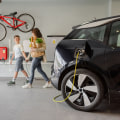
The automotive industry is undergoing a profound transformation, driven by advancements in electric car technology. As concerns about climate change and fossil fuel dependency grow, the shift towards electric vehicles (EVs) has gained unprecedented momentum. This evolution is not merely a trend; it represents a fundamental change in how we think about transportation, energy consumption, and environmental responsibility. In recent years, the global market for electric vehicles has expanded rapidly, with manufacturers investing heavily in research and development to enhance battery efficiency, reduce costs, and improve overall performance. The rise of EV growth is evident in the increasing number of models available to consumers, ranging from compact cars to luxury SUVs.
This diversification caters to a broader audience, making electric vehicles more accessible than ever before. However, the success of electric car technology hinges not only on vehicle innovation but also on the establishment of robust infrastructure. As more drivers consider making the switch to electric, the need for widespread charging stations becomes critical. This infrastructure development will play a pivotal role in determining the future adoption rates of EVs and ensuring that the transition to sustainable transportation is both practical and efficient.
Understanding Electric Car Charging Infrastructure
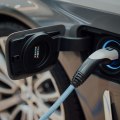
The electric car charging infrastructure is a critical component in the transition to sustainable transportation. It encompasses the network of charging stations and the technology that enables electric vehicles (EVs) to recharge their batteries.Understanding this infrastructure is essential for both consumers and policymakers as they navigate the growing landscape of electric car technology.
Types of Chargers
There are primarily three types of chargers that support electric vehicle charging:- Level 1 Chargers: These are standard household outlets (120V) that provide a slow charging option. They are ideal for overnight charging at home but may take a long time to fully charge an EV, typically adding about 4-5 miles of range per hour.
- Level 2 Chargers: Operating at 240V, Level 2 chargers are commonly found in public charging stations and can significantly reduce charging time. They can add approximately 25 miles of range per hour, making them suitable for both home and commercial use.
- DC Fast Chargers: These chargers provide rapid charging capabilities by delivering direct current (DC) instead of alternating current (AC). They can charge an EV to about 80% in as little as 30 minutes, making them essential for long-distance travel and reducing range anxiety.
Charging Stations
The availability of charging stations varies widely across different countries and regions.In some areas, especially urban centers, there is a robust network of charging stations, while rural areas may lack sufficient infrastructure. This disparity can impact the adoption rate of electric vehicles.Governments and private companies are increasingly investing in expanding this infrastructure to support the growing demand for electric vehicles. Initiatives include installing more public charging stations, incentivizing home charger installations, and integrating charging solutions into new developments.In conclusion, understanding the various types of chargers and the current state of charging stations is vital for fostering the adoption of electric vehicles. As technology advances and infrastructure improves, consumers will find it easier to transition to electric car ownership.
Global Overview of Electric Car Charging Availability
The availability of electric car charging infrastructure varies significantly across the globe, reflecting each country's commitment to electric vehicle (EV) adoption and sustainability.As the demand for electric cars rises, understanding which nations are leading in charging station deployment is crucial for potential EV owners and policymakers alike.Countries like Norway and the Netherlands are often cited as pioneers in EV infrastructure. Norway boasts the highest number of charging stations per capita, with over 8,000 public charging points for a population of just 5.4 million. This extensive network supports a remarkable percentage of electric vehicles on the road, making it a model for others to follow.The Netherlands follows closely, with a well-developed network of over 70,000 charging points. The Dutch government has implemented policies that encourage the installation of charging stations in urban areas, making it convenient for residents to switch to electric vehicles.In contrast, countries like the United States and India face challenges in their EV infrastructure development.
While the U.S. has made strides with initiatives like the Electrify America program, the availability of charging stations remains inconsistent, particularly in rural areas. As of now, there are approximately 100,000 public charging stations across the country, but this number is still insufficient to meet the growing demand.India is also lagging behind in terms of EV infrastructure. Although the government has set ambitious targets for electric vehicle adoption by 2030, the current number of charging stations is limited, with only around 1,800 public chargers available nationwide.
This lack of infrastructure poses a significant barrier to widespread EV adoption.
China
, on the other hand, leads the world in both electric vehicle sales and charging infrastructure. With over 1 million public charging points and ongoing investments in expanding this network, China is setting a global standard for EV support.In summary, while some countries have established robust networks for electric car charging, others are still grappling with inadequate infrastructure. The disparity highlights the need for continued investment and policy support to ensure that all nations can effectively transition to electric mobility.Challenges in Developing Charging Infrastructure
As the world shifts towards electric car technology, the development of charging infrastructure presents a myriad of challenges that can hinder the widespread adoption of electric vehicles (EVs). These challenges can be broadly categorized into economic, political, and technological barriers.Economic Barriers
One of the primary obstacles is the high initial investment required to establish a comprehensive charging network.Many countries, especially those with limited budgets, struggle to allocate funds for infrastructure development. This financial strain can lead to insufficient charging stations, particularly in rural or less populated areas where demand may not justify the investment.
Political Challenges
Political will is crucial for advancing EV infrastructure. In some regions, inconsistent policies and lack of government incentives can stall progress. For instance, without clear regulations or support for private investments in charging stations, potential investors may hesitate to commit resources.Additionally, bureaucratic hurdles can delay the approval processes necessary for deploying new charging facilities.
Technological Issues
The rapid evolution of electric car technology also poses challenges. As battery technologies improve and charging speeds increase, existing infrastructure may quickly become outdated. This creates a dilemma for investors who are uncertain about which technologies to adopt. Furthermore, interoperability between different charging systems remains a significant concern, as standardization is still lacking in many regions.Public Awareness and Acceptance
Lastly, public awareness plays a critical role in the adoption of EVs and their supporting infrastructure.Many consumers remain unaware of the benefits of electric vehicles or have misconceptions about their practicality. This lack of understanding can lead to lower demand for charging stations, further complicating infrastructure development efforts.In summary, while the transition to electric vehicles is essential for sustainable transportation, overcoming these challenges in developing charging infrastructure is vital for ensuring that all countries can support this shift effectively.
Case Studies: Countries Leading in Electric Car Infrastructure
As the world shifts towards sustainable transportation, several countries have emerged as leaders in developing electric car infrastructure. These nations have implemented innovative policies and strategies that not only promote the adoption of electric vehicles (EVs) but also ensure that the necessary charging facilities are readily available.Norway is often cited as a prime example of successful EV infrastructure. With over 54% of new car sales being electric, Norway has invested heavily in charging stations, making them accessible across urban and rural areas.The government offers incentives such as tax exemptions and free parking for electric vehicles, which has significantly boosted their popularity.China is another leader in this domain, boasting the largest network of charging stations globally. The Chinese government has set ambitious targets for EV adoption and has supported the development of charging infrastructure through substantial investments. Cities like Beijing and Shanghai have thousands of charging points, making it easier for residents to switch to electric cars.The Netherlands also stands out with its comprehensive approach to EV infrastructure. The country has implemented a national strategy that includes a mix of public and private investments in charging stations.
With over 70,000 charging points, the Netherlands aims to have all new cars sold be emission-free by 2030. These case studies illustrate that successful EV policies are characterized by strong government support, public-private partnerships, and a focus on accessibility. By analyzing these countries, other nations can learn valuable lessons on how to effectively implement their own electric car technology initiatives.
Future Trends in Electric Car Charging Technology
The future of electric car charging is poised for significant transformation, driven by advancements in electric car technology and the growing demand for sustainable transportation solutions. As the number of electric vehicles (EVs) on the road continues to rise, innovative charging solutions are emerging to meet the needs of consumers and businesses alike.One of the most promising trends is the development of smart charging solutions. These systems utilize advanced software and connectivity features to optimize charging times and energy consumption.For instance, smart chargers can communicate with the grid to determine the best times for charging based on energy demand and pricing, allowing users to save on electricity costs while reducing strain on the grid during peak hours.
- Vehicle-to-Grid (V2G) Technology: This innovative approach allows EVs to not only draw power from the grid but also return it when needed. This bi-directional flow of energy can help stabilize the grid and provide additional income streams for EV owners.
- Ultra-Fast Charging Stations: As battery technology improves, ultra-fast charging stations are becoming more common. These stations can charge an EV in as little as 15 minutes, making long-distance travel more feasible and convenient.
- Wireless Charging: Emerging wireless charging technologies promise to eliminate the need for physical connections altogether. This could lead to more seamless charging experiences, especially in urban environments where space is limited.
Solar-powered charging stations are gaining traction, allowing EV owners to charge their vehicles using clean energy. This not only reduces carbon footprints but also enhances energy independence.As we look ahead, it is clear that the innovations in EV technology will play a crucial role in shaping a sustainable future for transportation. The combination of smart solutions, faster charging options, and renewable energy integration will create a robust infrastructure that supports the widespread adoption of electric vehicles globally.
FAQs About Electric Car Charging Infrastructure
As electric vehicles (EVs) gain popularity, many people have questions about the charging infrastructure that supports them. Here are some frequently asked questions regarding electric car charging:What types of charging stations are available?
There are three main types of charging stations:- Level 1 Charging: This is the most basic form of charging, using a standard 120-volt outlet.
It’s suitable for home use but can take a long time to fully charge a vehicle.
- Level 2 Charging: These stations operate on a 240-volt supply and are commonly found in public charging locations. They provide a faster charge compared to Level 1.
- DC Fast Charging: This is the quickest option, allowing for rapid charging in about 30 minutes. These stations are typically located along highways for long-distance travel.
How do I find charging stations near me?
Finding a charging station is easier than ever with various mobile apps and websites dedicated to mapping out EV charging locations. Popular options include:- PlugShare: A community-driven app that shows real-time availability of charging stations.
- ChargePoint: Offers a network of charging stations and allows users to check station status.
- Google Maps: Simply search for "EV charging stations" to find nearby options.
Can I charge my electric car at home?
Yes, you can charge your electric car at home! Installing a Level 2 home charger is recommended for faster charging.However, if you only have access to a standard outlet, you can still use Level 1 charging, though it will take longer.
What should I consider when choosing a charging station?
When selecting a charging station, consider the following factors:- Charging Speed: Determine how quickly you need to charge your vehicle based on your daily driving habits.
- Location: Look for stations that are conveniently located along your regular routes or near your home.
- Cost: Some public chargers may require payment, while others are free. Be sure to check the pricing structure before using them.
Conclusion: The Path Forward for Electric Car Infrastructure
As we conclude our exploration of electric car technology and its global implications, it becomes clear that the development of a robust charging infrastructure is paramount for the widespread adoption of electric vehicles (EVs). While many countries are making strides in this area, significant disparities remain, affecting the overall growth of the EV market.To summarize the key points discussed:- Infrastructure Variability: Not all countries have equal access to charging stations, with some regions lagging behind in necessary investments and planning.
- Government Initiatives: Many governments are recognizing the importance of EV infrastructure and are implementing policies to encourage the installation of charging stations.
- Private Sector Involvement: The role of private companies in developing charging networks is crucial, as they often bring innovation and efficiency to the process.
- Consumer Awareness: Educating consumers about the availability and benefits of charging infrastructure can drive demand for electric vehicles.
Additionally, addressing the challenges of range anxiety through strategic placement of charging stations can significantly enhance consumer confidence in transitioning to electric vehicles.Ultimately, a comprehensive and accessible charging infrastructure will not only support the growth of electric cars but also contribute to a more sustainable future. As we move forward, it is imperative that all stakeholders work together to ensure that electric car technology can thrive globally, paving the way for cleaner transportation solutions.