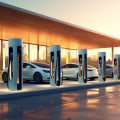
The evolution of electric car technology has transformed the automotive landscape, offering a sustainable alternative to traditional gasoline-powered vehicles. As concerns about climate change and fossil fuel dependency grow, more consumers are turning to electric vehicles (EVs) as a viable solution. Understanding the intricacies of this technology is essential for anyone considering the switch from conventional cars to electric ones. At the heart of electric car technology lies the electric motor, which operates on electricity stored in batteries. Unlike internal combustion engines that rely on gasoline, electric motors provide instant torque and a smoother driving experience.
This shift not only reduces greenhouse gas emissions but also presents an opportunity for significant savings on fuel costs. However, potential buyers often wonder how the cost of charging an electric vehicle compares to filling up a traditional car with gasoline. As we delve deeper into this topic, we will explore various factors influencing the cost of EV charging, including electricity rates, charging station availability, and the efficiency of different electric models. By understanding these elements, consumers can make informed decisions about their transportation choices and better appreciate the long-term financial benefits of adopting electric car technology.
The Cost of Electricity for Charging Electric Cars
Understanding the cost of electricity for charging electric cars is essential for potential EV owners. The price you pay to charge your electric vehicle (EV) can vary significantly based on several factors, including your local electricity rates, the type of charging station used, and the efficiency of your vehicle.On average, the cost of electricity in the United States hovers around $0.13 per kilowatt-hour (kWh).However, this rate can fluctuate based on your location and the time of day. For instance, some utility companies offer time-of-use rates, which can lower costs during off-peak hours. Charging your EV during these times can lead to substantial savings.
Factors Affecting Charging Costs
- Charging Station Type: Public charging stations may have different pricing structures. Level 1 chargers are typically slower and less expensive, while Level 2 and DC fast chargers can be more costly but provide quicker charging.
- Vehicle Efficiency: The efficiency of your electric car also plays a role in overall charging costs.
More efficient models require less energy to travel the same distance, reducing your total electricity expenses.
- Incentives and Discounts: Some regions offer incentives for EV owners, such as rebates or lower rates for charging during specific hours. Always check with your local utility provider for available programs.
The Cost of Gasoline for Traditional Cars
The cost of gasoline is a significant factor in the overall expense of operating traditional cars.As of 2023, gasoline prices have shown considerable volatility, influenced by various factors such as global oil supply, geopolitical tensions, and seasonal demand fluctuations. Understanding these trends is crucial for consumers who rely on traditional vehicles.Currently, the average price of gasoline in the United States hovers around $3.50 per gallon, although this can vary widely by region. For instance, urban areas often experience higher prices due to increased demand and transportation costs. In contrast, rural regions may benefit from lower prices but still face challenges related to fuel accessibility.To illustrate the impact of gasoline prices on operating costs, consider the following:
- Fuel Efficiency: The average fuel efficiency of traditional cars is approximately 25 miles per gallon.
This means that for every gallon of gas purchased, a driver can expect to travel about 25 miles.
- Monthly Fuel Costs: For a driver covering 1,000 miles per month, this translates to about 40 gallons of gasoline needed. At an average price of $3.50 per gallon, the monthly fuel cost would be around $140.
- Annual Fuel Costs: Over a year, this adds up to approximately $1,680, not accounting for potential price increases or decreases.
Factors Influencing Charging and Fuel Costs
Understanding the factors influencing charging and fuel costs is essential for evaluating the overall expenses associated with electric vehicles (EVs) compared to traditional gasoline-powered cars.Several elements come into play when determining these costs, including market trends, location, and energy sources.
Market Trends
The prices of both electricity and gasoline are subject to fluctuations based on market dynamics. For instance, the demand for oil can significantly impact gasoline prices. When global demand rises or geopolitical tensions affect oil supply, consumers may see a spike in fuel costs. Conversely, the cost of electricity can be influenced by factors such as renewable energy adoption and advancements in electric car technology.Location
Your geographical location plays a crucial role in determining both electricity and gasoline prices.In urban areas, where charging stations are more prevalent, electricity rates may be lower due to competition among providers. On the other hand, rural areas might experience higher electricity costs due to limited access to charging infrastructure. Similarly, gasoline prices can vary widely from one region to another based on local taxes and transportation costs.
Energy Sources
The source of electricity also affects charging costs. For example, regions that rely heavily on fossil fuels for electricity generation may have higher rates compared to those utilizing renewable energy sources like wind or solar power.As more consumers shift towards EVs, the demand for cleaner energy sources is likely to increase, potentially leading to lower long-term charging costs.
- Electricity Costs: Influenced by local utility rates and energy sources.
- Gasoline Prices: Affected by global oil markets and regional supply chains.
- Infrastructure Availability: The presence of charging stations can lower costs through competition.
Environmental Impact and Long-Term Savings
The environmental impact of electric cars is significantly lower than that of traditional gasoline vehicles. Electric cars produce zero tailpipe emissions, which means they do not contribute to air pollution in urban areas. This is particularly important as cities grapple with smog and health issues related to poor air quality. In contrast, gasoline vehicles emit carbon dioxide and other harmful pollutants that contribute to climate change and respiratory problems.Moreover, the production of electricity for charging electric vehicles can be increasingly sourced from renewable energy, such as solar, wind, and hydroelectric power.This shift towards sustainability not only reduces the carbon footprint associated with driving but also promotes a cleaner energy grid overall.When considering long-term savings, electric vehicles often prove to be more economical than their gasoline counterparts. While the initial purchase price of an electric car may be higher, the cost of electricity for charging is generally lower than the cost of gasoline over time. For instance, the average cost to charge an electric vehicle can be as low as $0.10 per kilowatt-hour, translating to about $5 for a full charge that can cover 200-300 miles. In comparison, if gasoline costs $3 per gallon, a traditional car would require approximately $15-$20 to cover the same distance.
- Maintenance Costs: Electric cars have fewer moving parts and do not require oil changes, leading to lower maintenance costs over their lifespan.
- Tax Incentives: Many states offer tax credits and rebates for electric vehicle purchases, further enhancing long-term savings.
- Resale Value: As demand for electric vehicles increases, their resale value is expected to rise, providing additional financial benefits.
By choosing electric, consumers are making a choice that benefits both their wallets and the planet.
FAQs About Electric Car Charging Costs and Gasoline Prices
As electric vehicles (EVs) gain popularity, many potential buyers have questions about the costs associated with charging an electric car compared to fueling a traditional gasoline vehicle. Here are some frequently asked questions that can help clarify these costs.What is the average cost to charge an electric car?
The cost to charge an electric car varies based on several factors, including the local electricity rates and the size of the vehicle's battery. On average, charging an EV at home can cost between $5 to $15 for a full charge, depending on the battery capacity and local electricity prices. This translates to about 3 to 5 cents per mile driven.How does this compare to gasoline prices?
In contrast, the cost of gasoline can fluctuate significantly based on market conditions.As of recent data, the average price of gasoline in the U.S. is around $3.50 per gallon. Given that traditional cars average about 25 miles per gallon, this results in a cost of approximately 14 cents per mile. Therefore, charging an electric car is generally more economical than fueling a gasoline vehicle.
Are there additional costs associated with charging an electric car?
- Home Charging Setup: Installing a Level 2 home charger may require an upfront investment, typically ranging from $500 to $2,000.
- Public Charging Fees: While many public charging stations are free, some may charge a fee that can vary widely.
- Maintenance Costs: EVs generally have lower maintenance costs compared to traditional cars, which can offset charging expenses over time.
What factors influence electric car charging costs?
Several factors can affect the overall cost of charging an electric vehicle:- Electricity Rates: Rates can vary by region and time of day; some utilities offer lower rates during off-peak hours.
- Battery Size: Larger batteries will naturally cost more to charge fully.
- Charging Speed: Fast chargers may incur higher fees compared to standard home chargers.
Conclusion: Making an Informed Choice Between Electric and Traditional Vehicles
In conclusion, the decision between electric and traditional vehicles hinges on various factors, with cost being a significant consideration.Throughout this article, we have explored the cost of electricity for charging electric cars compared to the cost of gasoline for traditional vehicles. Understanding these costs is crucial for making an informed choice.When evaluating the cost of ownership, it is essential to consider not only the price per gallon of gasoline versus the price per kilowatt-hour of electricity but also the overall efficiency of each vehicle type. Electric cars typically offer lower operating costs due to their higher energy efficiency and reduced maintenance needs.
Key Takeaways:
- Electric vehicles (EVs) generally have lower fueling costs compared to traditional gasoline vehicles.
- The average cost to charge an electric car can be significantly less than filling up a gas tank, especially when utilizing home charging options.
- Government incentives and rebates for electric vehicle purchases can further enhance the financial benefits of choosing an EV.
- Consideration of long-term savings on fuel and maintenance can tip the scales in favor of electric vehicles.
As electric car technology continues to evolve, it is likely that these considerations will become even more favorable for potential EV owners in the future.