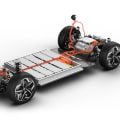
The evolution of electric car technology has transformed the automotive landscape, marking a significant shift from traditional gasoline-powered vehicles to more sustainable alternatives. As concerns about climate change and fossil fuel dependency grow, electric vehicles (EVs) have emerged as a viable solution, offering not only environmental benefits but also advancements in performance and efficiency. This transition is not merely a trend; it represents a fundamental change in how we think about transportation.At the heart of this revolution lies the electric vehicle range, a critical factor that influences consumer adoption and confidence. The range of an electric car refers to the distance it can travel on a single charge, which has improved dramatically over the years due to innovations in battery technology and energy management systems.
Understanding the intricacies of EV performance, including factors that affect range such as driving conditions, battery capacity, and vehicle design, is essential for potential buyers and enthusiasts alike.As we delve deeper into the world of electric cars, it becomes clear that the advancements in electric car technology are not just about reducing emissions; they also enhance driving experiences through features like instant torque delivery and advanced connectivity options. This introductory exploration sets the stage for a comprehensive discussion on how far electric vehicles can truly go, both in terms of distance and their impact on the future of mobility.
What Determines the Range of an Electric Car?
The range of an electric car is influenced by several key factors that work together to determine how far a vehicle can travel on a single charge. Understanding these factors is essential for potential buyers and enthusiasts of electric car technology.- Battery Capacity: One of the most significant determinants of an electric car's range is its battery capacity, measured in kilowatt-hours (kWh). A higher capacity means more energy storage, allowing the vehicle to travel further before needing a recharge.
For instance, a car with a 60 kWh battery may offer a range of approximately 200 miles, while one with a 100 kWh battery could exceed 300 miles.
- Aerodynamics: The design of an electric car plays a crucial role in its efficiency. Vehicles with streamlined shapes experience less air resistance, which can significantly enhance their range. Manufacturers often invest in aerodynamic designs to minimize drag, thereby improving overall performance and extending the distance that can be traveled on a single charge.
- Weight: The weight of the vehicle also affects its range. Heavier cars require more energy to move, which can deplete the battery faster.
This is why many electric vehicles are designed using lightweight materials to optimize efficiency without compromising safety.
- Driving Conditions: Real-world driving conditions can greatly impact range. Factors such as terrain, temperature, and driving style all play a role. For example, driving uphill or in cold weather can reduce range due to increased energy consumption. Conversely, smooth highways and moderate temperatures can help maximize distance.
By considering these factors, consumers can make informed decisions when selecting an electric vehicle that meets their needs.
Battery Technology and Its Impact on Range
The range of an electric car is significantly influenced by the type of battery technology it employs. As the demand for electric vehicles (EVs) continues to rise, advancements in battery technology are crucial for enhancing vehicle performance and extending driving distances.Lithium-Ion Batteries
Currently, most electric cars utilize lithium-ion batteries, which are known for their high energy density and efficiency. These batteries can store a substantial amount of energy relative to their weight, allowing for longer ranges. However, their performance can be affected by factors such as temperature and charging cycles.Manufacturers are continually working on improving the longevity and efficiency of lithium-ion batteries to maximize range.
Solid-State Batteries
Emerging technologies like solid-state batteries promise even greater advancements. Unlike traditional lithium-ion batteries that use liquid electrolytes, solid-state batteries employ solid electrolytes, which can enhance safety and energy density. This technology has the potential to increase the range of electric vehicles significantly while reducing charging times. As research progresses, solid-state batteries could become a game-changer in the EV market.Battery Efficiency
Beyond the type of battery, battery efficiency plays a critical role in determining an electric car's range.Factors such as regenerative braking, energy management systems, and aerodynamics contribute to how effectively a vehicle uses its stored energy. Innovations in these areas can lead to improved range without necessarily increasing battery size or weight.In conclusion, the future of electric car range is closely tied to advancements in battery technology. As manufacturers explore new materials and designs, we can expect significant improvements in both range and overall vehicle performance.
Real-World Range vs. Manufacturer Claims
When it comes to electric car technology, one of the most discussed topics is the difference between the range claimed by manufacturers and the actual range experienced by drivers in real-world conditions.While manufacturers often provide optimistic estimates based on controlled testing environments, these figures can vary significantly when put to the test on everyday roads.Most electric vehicles (EVs) are rated using the EPA (Environmental Protection Agency) testing standards, which measure range under specific conditions, including temperature, speed, and driving style. However, these conditions may not reflect typical driving scenarios. For instance, factors such as:
- Driving habits: Aggressive acceleration and high speeds can drastically reduce range.
- Weather conditions: Cold temperatures can diminish battery performance, while using heating or air conditioning can further drain power.
- Terrain: Hilly or mountainous routes require more energy than flat roads.
- Payload: Carrying extra weight in the vehicle can also impact efficiency.
This discrepancy highlights the importance of understanding how various factors influence an electric car's performance.To better gauge what to expect from an electric vehicle, potential buyers should consider looking at user reviews and real-world tests conducted by independent organizations. These sources often provide a more accurate picture of what drivers can realistically expect from their vehicles in everyday use.In conclusion, while manufacturer claims serve as a useful benchmark for evaluating electric car technology, it is essential for consumers to recognize that real-world performance may differ due to a variety of influencing factors. Understanding these nuances can help drivers make more informed decisions when selecting an electric vehicle that meets their needs.
Driving Habits and Their Effect on Electric Car Range
The range of an electric car can be significantly influenced by driving habits and styles. Understanding how these factors play a role is essential for maximizing the efficiency and performance of electric vehicles (EVs).Driving Habits Impact on Range
One of the most critical aspects affecting an EV's range is the way it is driven.
Aggressive driving, characterized by rapid acceleration and hard braking, can lead to a substantial decrease in range. Studies have shown that drivers who adopt a more conservative driving style can improve their vehicle's efficiency by as much as 20%.
Eco-Driving Techniques
Implementing eco-driving techniques can help extend the range of electric cars. Here are some effective strategies:
- Maintain a steady speed: Using cruise control on highways can help maintain a consistent speed, reducing energy consumption.
- Avoid rapid acceleration: Gradually increasing speed instead of sudden bursts can conserve battery power.
- Use regenerative braking: This feature allows the car to recover energy during braking, which can be particularly beneficial in stop-and-go traffic.
Speed Effects on EV Range
The speed at which an electric vehicle is driven also plays a crucial role in determining its range. Generally, higher speeds lead to increased air resistance, which in turn requires more energy to maintain.
For instance, driving at 70 mph can reduce an EV's range by up to 30% compared to driving at 55 mph. Therefore, keeping speeds moderate not only enhances safety but also optimizes battery life.In conclusion, adopting mindful driving habits and techniques can significantly enhance the range of electric vehicles. By understanding how factors like acceleration, braking, and speed impact energy consumption, drivers can make informed choices that lead to longer journeys on a single charge.
Charging Infrastructure and Its Role in Range Anxiety
The charging infrastructure plays a crucial role in addressing range anxiety, a common concern among potential electric car owners. As the number of electric vehicles (EVs) on the road increases, the availability and accessibility of charging stations become paramount in ensuring a seamless driving experience.One of the primary factors contributing to range anxiety is the fear of running out of battery power before reaching a charging station.To combat this, cities and private companies are investing heavily in expanding the network of charging stations. This includes not only traditional Level 2 chargers but also the more advanced fast charging technology, which can significantly reduce charging time.
- Availability of Charging Stations: The proliferation of charging stations in urban areas, highways, and rural locations is essential. Many EV manufacturers are partnering with charging networks to ensure that drivers have access to reliable charging options.
- Fast Charging Technology: Fast chargers can replenish an electric vehicle's battery to 80% in as little as 30 minutes. This technology is vital for long-distance travel, allowing drivers to take quick breaks without lengthy downtime.
- Range Anxiety Solutions: Innovative solutions such as mobile apps that locate nearby charging stations and provide real-time availability updates help alleviate concerns.
Additionally, some EVs come equipped with navigation systems that plan routes based on charging station locations.
Future Trends in Electric Car Range Enhancement
As the demand for electric vehicles (EVs) continues to rise, the future of electric car technology is poised for significant advancements, particularly in enhancing vehicle range. Several emerging trends and innovations are set to revolutionize how we think about EV range.Innovations in Battery Technology
One of the most promising areas of development is in battery technology. Traditional lithium-ion batteries are being improved upon with new materials and designs.For instance, solid-state batteries, which use a solid electrolyte instead of a liquid one, promise to deliver higher energy densities and faster charging times. This could potentially double the range of electric cars while also improving safety.
Next-Generation Charging Solutions
Alongside battery advancements, charging infrastructure is also evolving. Ultra-fast charging stations are being developed that can recharge an EV's battery to 80% in under 15 minutes. This rapid charging capability will alleviate range anxiety and make long-distance travel more feasible for electric car owners.Upcoming EV Models
Several automakers are set to release new models that incorporate these advanced technologies.For example, companies like Tesla and Rivian are working on vehicles that not only feature enhanced battery systems but also integrate software that optimizes energy consumption based on driving habits and conditions. These innovations could lead to ranges exceeding 400 miles on a single charge.
Sustainable Energy Sources
The integration of sustainable energy sources, such as solar panels on vehicles or charging stations, could further extend the range of electric cars. By harnessing renewable energy, EVs can reduce their reliance on grid electricity and enhance their overall efficiency.In conclusion, the future of electric car range enhancement is bright, driven by innovations in battery technology, next-generation charging solutions, and the introduction of new EV models. As these trends continue to develop, consumers can expect a significant increase in the practicality and appeal of electric vehicles.Frequently Asked Questions about Electric Car Range
As electric vehicles (EVs) gain popularity, many potential buyers have questions about their range and performance.Here are some of the most frequently asked questions regarding electric car range:
- What is the average range of an electric car?
The average range of modern electric cars typically falls between 150 to 370 miles on a single charge, depending on the model and battery capacity. High-end models can exceed this range, offering up to 500 miles. - How does driving style affect electric car range?
Just like traditional vehicles, an electric car's range can be influenced by driving habits. Aggressive acceleration, high speeds, and frequent braking can reduce efficiency. To maximize range, drivers should adopt a smoother driving style. - Does temperature impact electric vehicle range?
Yes, temperature plays a significant role in EV performance.Cold weather can decrease battery efficiency, leading to a reduction in range by as much as 40%. Conversely, extremely hot conditions can also affect battery life and performance.
- What factors contribute to an electric car's range?
Several factors influence the range of an electric vehicle, including:- Battery size: Larger batteries generally provide longer ranges.
- Aerodynamics: A vehicle's design can impact its efficiency.
- Weight: Heavier vehicles require more energy to operate.
- Tire pressure: Properly inflated tires improve efficiency.
Conclusion: The Future of Electric Car Ranges and Technology
As we conclude our exploration of electric car technology and its evolving range capabilities, it is clear that the future holds significant promise for both consumers and manufacturers. The advancements in battery technology, such as solid-state batteries and improved lithium-ion cells, are paving the way for longer ranges and faster charging times.One of the most critical factors influencing the range of electric vehicles (EVs) is the ongoing development of charging infrastructure.As more fast-charging stations become available, the convenience of owning an electric car will increase, making them a more viable option for a broader audience. This shift not only enhances the practicality of EVs but also encourages more consumers to transition from traditional gasoline-powered vehicles.
Consumer Implications
The implications for consumers are profound. With manufacturers investing heavily in research and development, we can expect to see a wider variety of models with extended ranges that cater to different needs—from urban commuters to long-distance travelers. Additionally, as battery costs decrease, the overall price of electric cars is likely to become more competitive with their gasoline counterparts.Environmental Impact
Moreover, the environmental benefits associated with increased adoption of electric vehicles cannot be overstated.As electric car technology continues to improve, we can anticipate a reduction in greenhouse gas emissions and a positive impact on air quality, particularly in urban areas.In summary, the future of electric car ranges and technology is bright. With continuous innovations and a growing commitment to sustainability, electric vehicles are set to become an integral part of our transportation landscape. As consumers become more informed and engaged with these advancements, the shift towards electric mobility will not only enhance personal convenience but also contribute to a healthier planet.